

美国:从“卖产品”到“做产业”——中资赴美投资的机遇、暗礁与选州兵法(上)|人物·域外观察(中英双语)
发布日期:2026-10-23 浏览次数:154
“人物·域外观察”为 QC Global 国别法律实务专栏。
"People · Overseas Perspectives" is QC Global's country-focused legal practice column.
在本栏目中,我们将邀请本所拥有海外留学、长期域外生活经历的律师,结合自身在地学习与生活经验,深度拆解目标国家的营商环境、外商投资政策、出海机遇、潜在风险及实务落地要点,为中国企业跨境投资与海外经营提供国别参考。
In this column, we invite attorneys at our firm with overseas study or long-term international experience to draw on their first-hand knowledge and examine the target country's business environment, foreign investment policies, opportunities, risks, and practical considerations for Chinese companies pursuing cross-border investment and international operations.
本期栏目,我们邀请到盛婕律师。盛婕律师曾于美国明尼苏达大学法学院攻读 LLM 项目,获得法学研究生学位,在美国学习生活期间,对美国司法制度、联邦与州双层监管体系及营商环境有深入的在地观察。下文将由其带来美国出海投资专题分享。
In this column, we invite attorneys at our firm with overseas study or long-term international experience to draw on their first-hand knowledge and examine the target country's business environment, foreign investment policies, opportunities, risks, and practical considerations for Chinese companies pursuing cross-border investment and international operations.
欢迎乾成律所内更多具有海外留学或生活经历,或是对特定国家特别关注的小伙伴踊跃投稿!
We welcome contributions from colleagues at Qiancheng Law Firm who have studied or lived abroad or have a particular interest in a specific country.

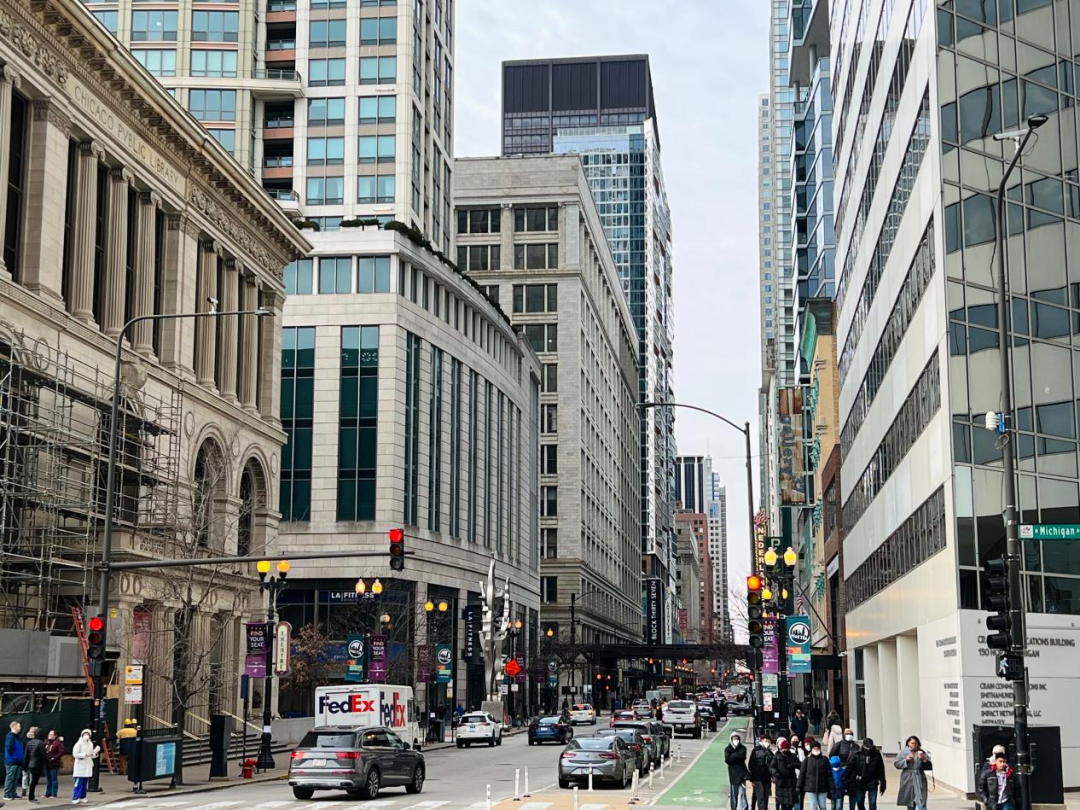
(图片为盛婕律师拍摄于美国学习生活期间)

目录
1.营商环境:并非一块“铁板”,而是一张“拼图”
I. A Market of Many Moving Parts
2.政策底色:总统更迭与政策不连续性
II. Policy Volatility Is a Business Risk
3.准入规则:欢迎与设限并行的“旋转门”
III. Open for Business—but Selectively
4.出海赛道:中端制造、AI 电力与政府采购的三重机会
IV. Where the Opportunities Are: Manufacturing, AI Infrastructure and Government Procurement
5.合规暗礁:联邦及地区审查、用工、数据与出口管制的关卡
V. The Compliance Landscape: CFIUS, Local Permitting, Employment, Data and Export Controls
6.选州如选战场:纽约、加州、德州政策地图
VI. Choosing a State Is Like Choosing a Battlefield: A Policy Map of New York, California, Texas and Beyond
7.结语
VII. Conclusion
(文章内容较长,故分为上、下两篇。本期上篇先分享第一至四项的内容,第五至七项将在下篇推送。)
营商环境:并非一块“铁板”,而是一张“拼图”
I. A Market of Many Moving Parts
美国营商环境并非一块“铁板”,而是由多重差异拼合而成的“拼图”:企业的感受、产业的定位与各州的政策,各有各的样貌。忽略这种差异性,就难以理解中资企业赴美的真实处境与机会所在。
The U.S. business environment is not monolithic. It is a market shaped by differences in corporate sentiment, industry positioning and state-level policy. Understanding those differences is essential to assessing where Chinese investors can realistically find opportunities—and where the principal constraints may arise.
这种分化,首先体现在企业的主观感受上。2026 年 5 月,美国中国总商会发布的《在美中资企业年度商业调查报告》显示,受访中资企业对美国投资与商业环境持负面态度者占比达 55%,79% 的受访企业表示受到关税政策的直接冲击,进口成本上升、利润率下降与供应链中断是影响最集中的三个领域。数据表明,经营压力是普遍的,但态度并非一边倒——仍有相当比例的企业保持中性或积极判断,客观上 2025 年有 33%的受访企业实现了收入增长,81%的企业整体保持盈利。同样的环境,不同的处境与判断,这正是“拼图”的第一块。
That divergence is reflected first in corporate sentiment. According to the China General Chamber of Commerce’s May 2026 annual survey of Chinese companies operating in the U.S., 55% of respondents viewed the U.S. investment and business environment negatively, while 79% reported being directly affected by tariff policies. The most significant impacts were higher import costs, margin pressure and supply-chain disruption. Yet the picture was not uniformly negative: 33% of surveyed companies reported revenue growth in 2025, and 81% remained profitable. The same market can therefore produce very different outcomes depending on a company’s sector, operating model and exposure to policy changes.
理解这种分化,还需要看清宏观背景。2025 年美国实际 GDP 增速为 2.2%,较 2024 年的 2.8%有所回落,全年呈“前高后低”走势,需求动能放缓但基础仍在。中美经贸层面,2025 年上半年美对华关税在多轮升级后一度达到 145%的峰值,中美贸易体系陷入高度对峙;同年 5 月,双方相互将部分关税税率从 125%大幅削减至 10%,开启 90 天停战期;11 月,两国领导人在釜山会晤,并就关税减让安排延期至 2026 年 11 月等议题达成框架性共识。我们需要清醒认识到,贸易领域的阶段性缓和并不等同于深层矛盾的消解:技术出口管制与外资审查持续强化,合规环境的复杂程度并未因关税停战而有所减轻。宏观图景“缓和与紧绷并存”,是中资企业一切布局决策的共同前提。
The broader macroeconomic context is equally important. U.S. real GDP growth slowed to 2.2% in 2025 from 2.8% in 2024, with economic momentum weakening over the course of the year while underlying demand remained resilient. At the same time, U.S.-China trade tensions escalated sharply before a partial easing in tariffs. In May 2025, the two sides substantially reduced certain tariff rates and entered a 90-day truce; in November, their leaders met in Busan and reached a framework understanding that included extending certain tariff arrangements through November 2026. For investors, however, tariff relief should not be mistaken for a broader normalization of bilateral economic relations. Technology export controls and foreign investment screening remain significant constraints. The resulting environment is therefore characterized by both selective easing and continued strategic tension.

也正是在这一背景下,中资赴美投资的逻辑正在被改写。过去,中资企业进入美国市场的核心路径是“国内生产—出口美国”;如今,关税升级直接抬高出口成本,供应链安全审查提高了“远程供货”的不确定性,美国本土制造政策又鼓励本地生产——三重压力共同推动企业重新考虑生产基地的布局。正如一线投资人观察到的,美国最大的机会已不再是“把中国制造卖到美国”,而是“把中国的制造能力带到美国”,以本土化生产绕开关税壁垒、贴近美国市场,正在成为新的共识。
Against this backdrop, the investment model for Chinese companies is changing. Historically, the dominant approach was to manufacture in China and export finished products to the U.S. Higher tariffs, greater scrutiny of supply-chain resilience and policies favoring domestic production are now encouraging companies to reconsider that model. The emerging strategy is not simply to sell Chinese-made products into the U.S., but to bring Chinese manufacturing capabilities, equipment and supply-chain expertise into the U.S. itself—localizing production, reducing tariff exposure and moving closer to end markets.
这一转变能否落地,取决于美国产业结构的真实样貌。在美国近 30 年的发展中,制造业并非全面衰退,而是在重新选择哪些产业留在本土:高端制造业(芯片、航空发动机等)美国仍保持强竞争力;低端劳动密集型产业正加速向越南、印度尼西亚等地转移;夹在中间的中端制造——工业零部件、建材、玻璃、家具等——美国本土生产成本高但需求稳定,恰恰是中资企业的重要机会窗口。
Whether this model works depends heavily on the structure of the U.S. manufacturing sector. U.S. manufacturing has not simply declined over the past three decades; rather, production has been redistributed across sectors and geographies. The U.S. remains highly competitive in advanced manufacturing, including semiconductors and aircraft engines, while labor-intensive, lower-end manufacturing has increasingly shifted to countries such as Vietnam and Indonesia. In between lies a potentially attractive segment: mid-market manufacturing, including industrial components, building materials, glass and furniture, where U.S. production costs can be relatively high but demand remains stable.
宏观图景与产业结构之外,还有一层常被低估的分化——州际差异。在我于明尼苏达求学期间,一个突出的感受是:美国市场的“统一性”常常被高估。50 个州在税收、劳动法、环保标准和产业政策上的差异极大,同样的项目在一个州可行,在另一个州可能寸步难行。因此,中资企业进入美国,选州本身就是市场战略的一部分。后文将就重点州的政策环境做详细对比分析。
There is another layer of differentiation that investors often underestimate: state-level variation. During my time studying in Minnesota, one point became particularly clear to me—the degree of uniformity in the U.S. market is often overstated. The 50 states differ substantially in tax regimes, employment law, environmental requirements and industrial policy. A project that is viable in one state may face significant obstacles in another. For Chinese investors, state selection is therefore not merely an administrative decision; it is part of the investment strategy itself.
政策底色:总统更迭与政策不连续性
II. Policy Volatility Is a Business Risk
在讨论具体的准入规则、行业机会和合规风险之前,必须先理解一个更底层的变量:美国政策的不连续性,本身就是最大的经营风险之一。
Before assessing market-access rules, sector opportunities or compliance requirements, investors need to account for a more fundamental variable: policy volatility itself can be a material business risk.
美国对华经济政策在过去 30 余年间经历了“合作—竞争—遏制—打压”的系统性转变,其核心逻辑也从为了服务于美国的利益而塑造中国,转变成了维护美国的霸权而与中国博弈。但这种转变并非线性推进,而是随总统更迭、政党轮替出现显著的政策摇摆。不同总统代表着不同的利益集团,每一任期的主要任务也不一致,这直接决定了中资企业面对的政策环境会在四年、甚至两年周期内发生剧烈变化。
Over the past three decades, U.S. economic policy toward China has undergone a significant shift, while remaining highly sensitive to changes in administrations and political priorities. The direction of policy has not been linear. Presidential transitions, changes in party control and competing domestic interests can materially alter the regulatory environment facing Chinese investors within a four-year—and sometimes two-year—political cycle.
就比如现任美国总统特朗普的对华政策逻辑——更频繁地把关税作为核心施压工具,“嗓门大、要价狠、变脸快”的政策风格,追求的是及时结果。例如在芯片政策上,特朗普政府一方面撤销拜登时期的人工智能扩散规则,认为它限制美国企业;另一方面继续加强部分对华芯片管制,2026 年又允许部分高性能芯片按个案审查方式申请出口。这种“选择性松绑+个案谈判”的模式,使政策可预测性进一步下降。
The current policy approach illustrates this volatility. Tariffs have been used more frequently as a central policy instrument, while technology policy has combined selective relaxation with continued restrictions. In the semiconductor sector, for example, the Trump administration withdrew the Biden-era AI diffusion rule while maintaining restrictions on certain semiconductor exports to China and, in 2026, allowing some high-performance chips to be considered on a case-by-case basis. For businesses, this combination of selective easing and individualized review makes long-term policy forecasting particularly difficult.

这对中资企业意味着什么?政策的不可预测性正在成为一种系统性风险。穆迪评级首席信用官评价说,这种波动性和不可预测性已成为美国贸易政策的新常态。对企业而言,这意味着不能基于“当前政策”做长期投资决策,而要建立跨周期的政策情景分析能力。具体而言:第一,关税和政策工具的变化可能在数月内发生,投资模型必须包含关税税率大幅变动的敏感性分析;第二,政府换届可能导致此前获批项目的条件被重新审视,新日铁案即为先例;第三,利益集团和关键人物的态度可能改变审批结果,在美投资需要建立和维护与政策制定者的沟通渠道,但须严格在法律允许的范围内操作;第四,在交易文件中周密设计分手费条款等风险分配机制,是应对政策不确定性的务实选择。
For Chinese investors, the practical implication is straightforward: investment decisions should not be based solely on the rules in effect at signing or closing. As Moody’s Chief Credit Officer has noted, volatility and unpredictability have become a new feature of U.S. trade policy. Investment models should therefore incorporate cross-cycle scenario analysis, including sensitivity to significant tariff changes. Transaction structures should also account for the possibility that a change in administration could lead to renewed scrutiny of previously approved projects, as illustrated by the Nippon Steel case. Companies should maintain appropriate, lawful channels of engagement with policymakers and relevant stakeholders, while transaction documents should allocate policy risk carefully—for example, through appropriately structured termination-fee and risk-allocation provisions.
准入规则:欢迎与设限并行的“旋转门”
III. Open for Business—but Selectively
在上述政策底色之下,美国对外商投资的治理取向呈现明显的“选择性欢迎”与“针对性限制”并行特征。凡有助于制造业回流、就业增长和技术领先的资本,会获得一定欢迎;凡涉及战略产业、关键基础设施、敏感数据、农业土地以及“外国对手”关联投资,则面临更高进入门槛。
Against this policy backdrop, the U.S. foreign investment regime increasingly combines selective openness with targeted restrictions. Capital that supports domestic manufacturing, job creation and technological leadership may be viewed favorably, while investments involving strategic industries, critical infrastructure, sensitive data, agricultural land or entities associated with foreign adversaries can face substantially higher barriers.
行业准入方面,2025 年 2 月 21 日,特朗普签署《美国优先投资政策》国家安全总统备忘录,一方面扩展 CFIUS(美国外国投资委员会)管辖范围,强调限制外国对手在关键技术、基础设施、个人数据、医疗保健、农业、能源和原材料等领域的投资;另一方面,提出建立“快速通道”流程,促进特定盟友及伙伴资本的对美投资。
At the sectoral level, the National Security Presidential Memorandum on America First Investment Policy, signed on February 21, 2025, called for expanding the scope of CFIUS review and restricting investments by foreign adversaries in areas including critical technologies, infrastructure, personal data, healthcare, agriculture, energy and raw materials. At the same time, it contemplated expedited pathways for investment from certain allies and partners.
根据最新的限制外商投资清单,国防、核能、航空航天、核心电信基础设施及涉及美国公民敏感数据处理的行业禁止非美国居民投资,其余行业均对外资开放,但部分涉及国家安全的行业需提前通过 CFIUS 安全审查,审查周期一般为 45 至 90 天,未通过审查的投资协议将被认定为无效。此外,联邦法律对航空、通信、渔业等领域设有明确的外资持股比例限制,例如外国投资者在航空公司的持股比例不得高于 25%,且航空公司须由美国公民实际控制等。
Under the current framework described above, certain areas—including defense, nuclear energy, aerospace, core telecommunications infrastructure and the processing of sensitive U.S. citizen data—are subject to particularly stringent restrictions, while other sectors remain open to foreign capital subject to applicable rules. Certain national-security-sensitive transactions may require CFIUS review, typically involving a review period of approximately 45 to 90 days. Federal law also imposes specific foreign-ownership restrictions in areas such as aviation, communications and fisheries, including limits on foreign ownership of U.S. airlines and requirements concerning effective U.S. citizen control.
实操中需要特别关注的几个变化:
Three developments deserve particular attention in practice:
第一,审查对象外延化。除传统并购和控股交易外,少数股权投资、合资安排、技术合作、长期供应协议以及附带治理权或信息权的金融投资,都可能被纳入更高强度审查范围。
First, the scope of review is expanding. CFIUS scrutiny is no longer limited to conventional acquisitions and controlling investments. Minority investments, joint ventures, technology collaborations, long-term supply arrangements and financial investments carrying governance or information rights may also receive heightened scrutiny.
第二,审查结果条件化。企业面对的不再是简单的“通过”或“否决”,而是附带持续义务的条件性安排,包括信息隔离、人员限制、供应链承诺、数据本地化、第三方审计和政府持续监督等。
Second, approvals are increasingly conditional. The outcome is not always a binary “clearance or prohibition.” Transactions may instead be approved subject to continuing obligations, including information barriers, personnel restrictions, supply-chain commitments, data localization, third-party audits and ongoing government oversight.
第三,“黄金股”成为新治理工具。新日铁收购美国钢铁公司一案最终获批,很大程度上得益于特朗普政府在交易中获得了“黄金股”协议所赋予的对关键商业决策的否决权,此类治理权通常包括对资产处置、企业总部或生产基地外迁等重要决策的否决权。
Third, the “golden share” is emerging as a governance tool. In the Nippon Steel–U.S. Steel transaction, the U.S. government obtained contractual governance rights that included veto rights over certain significant business decisions. Such rights may extend to matters including asset dispositions and the relocation of corporate headquarters or production facilities.
出海赛道:中端制造、AI 电力与政府采购的三重机会
IV. Where the Opportunities Are: Manufacturing, AI Infrastructure and Government Procurement
结合我在美国的观察和近期市场数据,中资企业在美投资的三类核心机会值得重点关注:
Based on my observations in the U.S. and recent market developments, three areas merit particular attention:
第一,中端制造业落地。美国市场长期存在“需要但本土供给不足”的制造领域。对于具有一定技术和制造门槛、但美国本土生产成本较高的产品——如工业零部件、建材、玻璃、家具等——中资企业通过将设备、技术和供应链经验带到美国本土生产,可以形成“中国技术与设备 + 中国供应链经验 + 美国本地生产 + 美国市场与政策资源”的新型组合模式。
First, localized mid-market manufacturing. The U.S. has long had manufacturing segments where demand is strong but domestic supply is relatively limited. For products with meaningful technical or manufacturing requirements—such as industrial components, building materials, glass and furniture—Chinese companies may be able to combine Chinese equipment and technology with supply-chain expertise, U.S.-based production and access to the U.S. market. This creates a different value proposition from simply exporting finished goods from China.
第二,能源与 AI 基础设施配套。美国 AI 数据中心建设正面临严峻的电力供给缺口,北美 AIDC 自备电力及超特高压项目启动为国内民营电力设备龙头提供了明确的市场空间。固体氧化物燃料电池(SOFC)、自建微型电厂、配套新能源与储能等高效电力解决方案的中国高端制造企业,正迎来历史性机遇。思源电气、金盘科技、伊戈尔等企业已在北美 AIDC 市场实现订单突破或产能布局。
Second, power and AI infrastructure. The rapid development of AI data centers in the U.S. is creating significant demand for additional power capacity. The development of dedicated power systems and ultra-high-voltage infrastructure for North American AI data centers is opening opportunities for Chinese power-equipment manufacturers. Technologies such as solid oxide fuel cells (SOFCs), distributed generation, renewable power and energy storage may become relevant components of this emerging infrastructure market. Companies such as 思源电气, 金盘科技 and 伊戈尔 have already begun securing orders or establishing capacity in the North American AIDC market.
第三,美国政府采购市场(B2G)。美国政府采购覆盖联邦、州、县、市及校区等多个层级,在基础设施、能源、环保、公共服务等领域存在大量采购需求。政府采购的招标体系相对标准化、公开化,企业只要符合标准就有机会参与竞争。对于具备技术、制造和工程能力的企业,B2G 路径可能比单纯做消费品牌更值得研究。
Third, government procurement. The U.S. government procurement market spans federal, state, county, municipal and school-district buyers, with significant demand in infrastructure, energy, environmental protection and public services. Procurement processes are generally structured and transparent, allowing qualified companies to compete under established requirements. For businesses with strong technical, manufacturing or engineering capabilities, government procurement may offer an alternative route to market beyond traditional consumer-facing models.
上篇从美国营商环境的“拼图式”分化出发,梳理了政策不连续性的底层变量、外资准入“选择性欢迎”与“针对性限制”并行的审查逻辑,以及中端制造、AI电力配套与政府采购三重出海赛道机遇;下篇将聚焦联邦及地方审查、劳动用工、数据与出口管制等高频合规暗礁,对比纽约、加州、德州及备选州的政策地图,并提出系统性风险预判与落地建议。